







FutuMed Project Produces First Microalgae-Based Biofertilizer for Sustainable Crop Management
By Ruta N -The technology aims to reduce the use of chemical fertilizers and promote more sustainable agricultural systems.
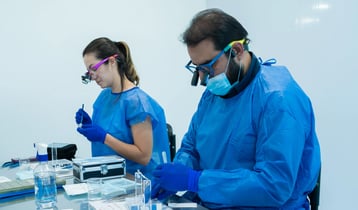
Medellín is taking another step toward more sustainable agriculture with the production of the first pilot batch of a biofertilizer made from the microalga spirulina (Arthrospira maxima). The technology was developed by researchers at Universidad CES who are part of Ruta N’s FutuMed project. It harnesses the biological properties of spirulina to create a bioinput rich in compounds that promote plant growth and nutrition.
“The production process begins with the cultivation of microalgae, which are aquatic organisms capable of capturing large amounts of CO₂ as they grow. Once a sufficient biomass has accumulated, the microalgae are harvested, dried, and subjected to an extraction process in which their main metabolites nitrogen-rich proteins are obtained. These compounds are then formulated with stabilizing agents to produce the final biofertilizer, which can subsequently be applied as a plant nutrient,” explained Erika Obando, one of the project’s researchers.
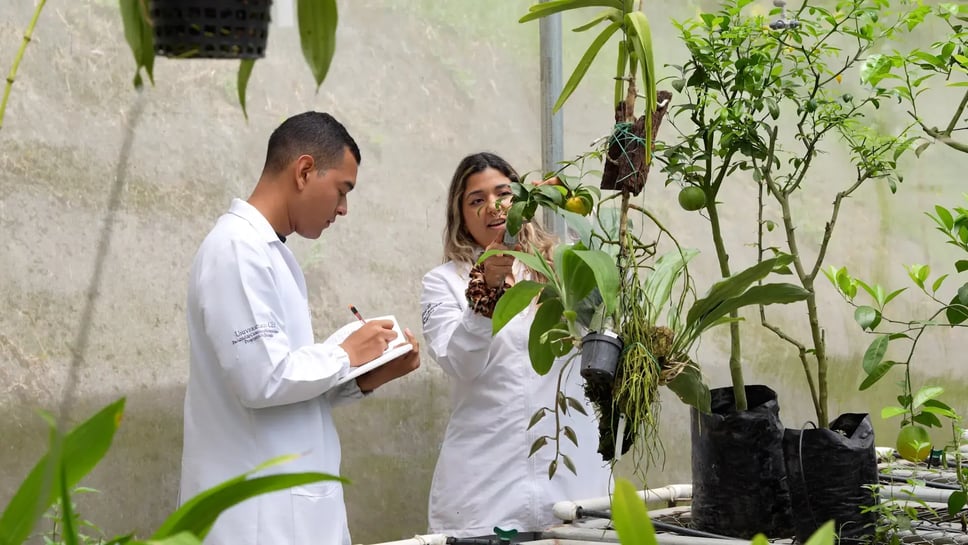
The first 31-liter pilot batch is currently undergoing physicochemical and microbiological characterization to verify its quality, stability, and composition before field application. At the same time, the research team has begun establishing experimental crops at the Medellín Botanical Garden, where they are evaluating the performance of the biofertilizer in urban agriculture and hydroponic systems as an alternative to reduce the use of chemical fertilizers and promote more sustainable farming practices.
“The major sustainability challenges we face as a society require new ways of thinking, researching, and innovating. That is why, through FutuMed, we support projects that transform knowledge into solutions with the potential to reshape our environment. Initiatives like this demonstrate how science can deliver practical answers to real-world challenges and contribute to the sustainable development of our region, because behind every scientific breakthrough are people who choose to put their knowledge at the service of others to improve their quality of life,” said Carolina Londoño, Executive Director of Ruta N.
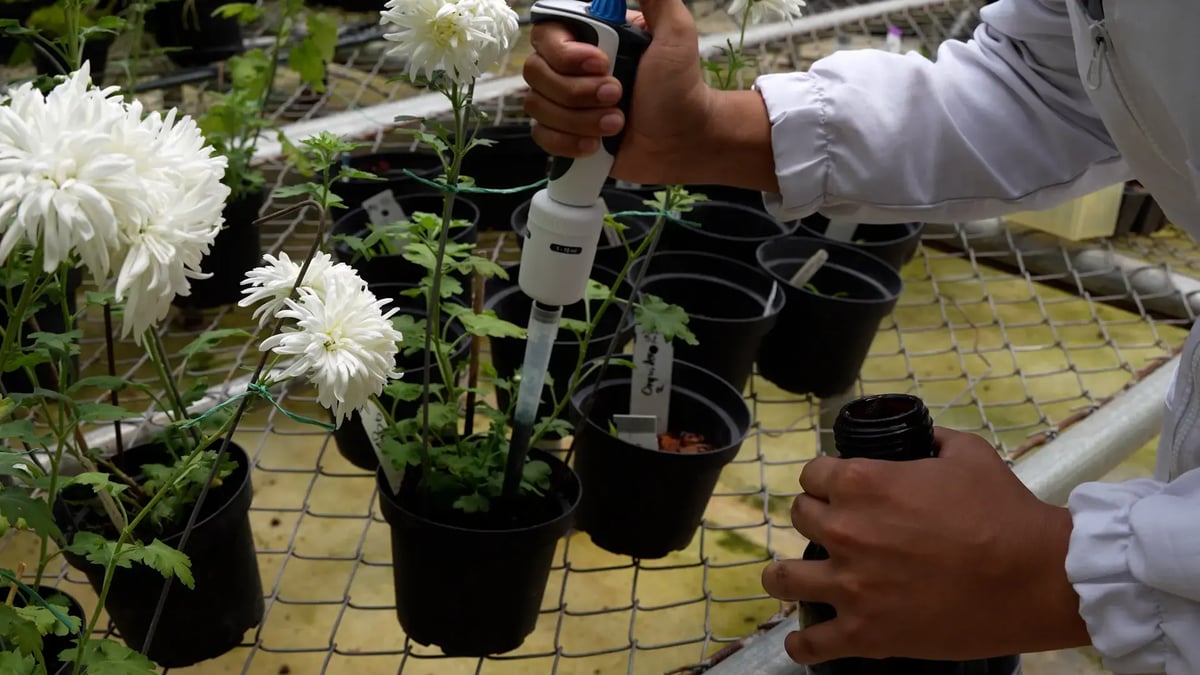
Validating this innovation under real-world conditions represents a decisive step in its development, as it will generate evidence of its performance beyond the laboratory, identify its potential for scaling, and bring it closer to future implementation in urban and regional agricultural systems.
FutuMed is Medellín’s first Special Treatment Zone for Science, Technology, and Innovation, a strategy designed to accelerate the development of innovative solutions by validating them in real-world environments.
Download the press kit here